Imagine you are visiting a website. You click a button. A page loads. You fill in a form, press “Submit,” and within seconds, you receive a confirmation.
It all feels simple.
But behind that simple experience, there is a lot happening that most users never see.
A website isn’t just about what appears on your screen. Behind every button, form, image and interaction, different parts of the technology work together to make the experience possible.
Two of the most important parts are frontend and backend.
You don’t necessarily need to be a developer to understand them. In fact, knowing the basic difference can help business owners better understand what goes into building a website, web application or digital platform.
So, what exactly happens behind the screen?
What Is Fronted?
Let’s start with the part you can actually see.
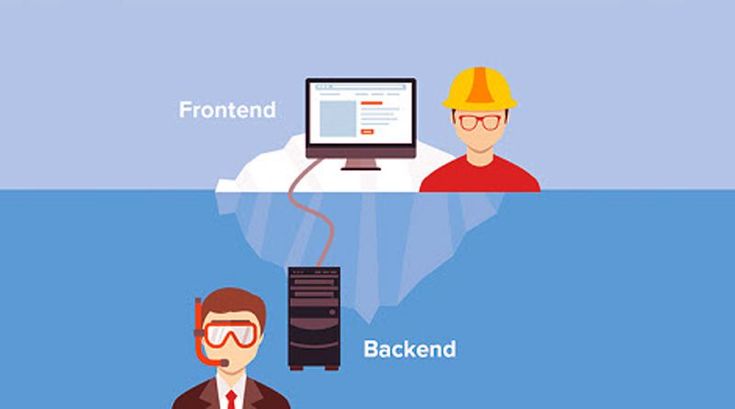
Fronted refers to the part of a website or application that users interact with directly. It runs in the user’s browser and is responsible for how the website looks, feels and responds to user actions. Technologies such as HTML, CSS and JavaScript are commonly used to build the fronted.
This about visiting an online store.
You see:
- The company logo
- Navigation menu
- Product images
- Buttons
- Search bar
- Shopping cart
- Text and colours
- Contact forms
All of these elements are part of the fronted experience.
Frontend development is not simply about making a website look attractive. It is also about making sure the website is easy to navigate, responsive on different devices and able to respond properly when users interact with it.
For example, when you click a menu and it opens, or when a form tells you that you have entered and invalid email address, the fronted is involved in that interaction.
What Is Backed?
Now imagine everything that happens that you cannot see. That’s where the backend comes in.
Backed development focuses on the server-side part of a website or application. It handles processes and data happen behind the scenes before information is sent back to the user’s browser. Server-side programming can retrieve information from databases, process requests, validate submitted data and return the appropriate response.
For example, imagine you are logging into a website. You enter your email and password and click “Login.”
The fronted is what allows you to enter those details and click the button. The backend receives the request, checks the information against the relevant data, processes the login and determines what should happen next.
You don’t see any of this happening. You simply see the result, You are either logged in or told that something went wrong.
That is the backend working behind the scenes,
Frontend vs Backend: What Is the Difference?
The easiest way to understand the difference is to think about a restaurant.
The frontend is similar to the dining areas. Is is what customers see and interact with. Tables, menu, atmosphere and service all contribute to the customer’s experience.
The backend is like the kitchen. Customer don’t usually see what happens there, but it is responsible for preparing the food and making sure the orders are handled correctly.
A restaurant needs both.
A beautiful dining area would not be enough if the kitchen could prepare the orders. At the same time, an excellent kitchen would not create a good customer experiences if the dining area was difficult to use.
Websites work in a similar way.
Fronted creates the experience. Backend makes the functionality work behind it.
What Happens When You Submit an Online Form?
Let’s take a simple example:
Imagine you’re visiting company’s website and you want to request a quotation.
You fill in your:
- Name
- Email address
- Phone
- Company name
- Message
Then you click “Submit’
From your perspective, that’s it.
But behind the screen, several things can happen.
First, the fronted collects the information you entered and sends it to the backend. The backend can then process the request, check that the information is valid and store the details in a database.
Depending on how the systems is designed, it could also trigger other actions, such as sending a notification to the company’s team or displaying a confirmation message to you.
The browser and server communication through request and responses, allowing information to move between what the user sees and the systems working behind the scenes.
You only see the confirmation message.
The rest happens quietly in the background.
Why Do Business Need Both?
A website can have an impressive design, but good design alone doesn’t guarantee that website will work properly.
Imagine a website with beautiful graphics and a modern layout, but:
- The enquiry form doesn’t work.
- Customer information isn’t stored correctly
- The search function doesn’t return accurate results.
- Users can’t log in.
- The shopping cart doesn’t update.
- The system cannot handle increasing amounts of data.
The website may look great, but the experience quickly becomes frustrating.
The opposite is also true.
A website may have a powerful backend, but the experience quickly becomes frustrating.
The opposite is also true.
A website may have a powerful backend, but if the interface is confusing, slow or difficult to navigate, customer may not want to use it.
This is why fronted and backend development need to work together.
What About Database?
There is another important part of the picture: data.
Many websites and applications need somewhere to store and retrieve information.
For example, an online store may need to keep information about:
- Product
- Customers
- Orders
- Payment
- Stock levels
When a customer places an order, the system needs to process that information and store it appropriately.
The backend often communicates with a database to retrieve or update this information.
This is one reason why backend development involves much more than simply “making the website work.” It can involve managing data, handling request, controlling access and connecting different parts of digital system.
What Technologies Are Used?
There isn’t just one technology used to build every website.
Different projects require different tools depending on their goals, complexity and technical requirements.
For fronted development, technologies such as HTML, CSS, and JavaScript are fundamental part of the web development environment.
For backend development, different programming languages and framework can be used. Examples include Laravel, ASP.NET, Node.js and Python.
These are among the backend technologies that Apploqic currently highlights on its website. The important thing isn’t simply choosing the most popular technology. The technology needs to be appropriate for the project.
A simple corporate website and a complex business management platform may have very different technical requirements.
Fronted and Backend Are Not Competing Sides
It can be tempting to ask which one is more important.
But fronted and backend aren’t really competing with each other. They depend on each other.
The fronted provides the interface that allows users to interact with a website or application. The backend handles many of the processes, data and requests that make those interactions possible.
When they work together properly, users don’t need to think about what is happening behind the screen.
They simply experience a website that works. And that is often the point of good technology.
The complicated parts should happen in the background so that the experience feels simple to the person using it.
Why This Matters for Your Business
Understanding fronted and backend isn’t just useful for developers.
For business owners, it can help explain why building a website or digital system involves more than choosing a design. A professional digital platform needs to consider both the experience customers see and the technology supporting that experience.
When planning a new website or system, businesses may need to think about questions such as:
- Who will use the platform?
- What information needs to be stored?
- What functions should users be able to perform?
- How will customer data be managed?
- Will the system need to support more users in the future?
- Does it need to connect with other business systems?
These decisions can influence how the fronted and backend are designed.
Building More Than Just Users See
At Apploqic, web development goes beyond creating an attractive interface.
The company lists both fronted and backend development among its technology solutions, alongside web development, mobile development, databases and other digital capabilities.
This allows businesses to look at their digital projects as complete solution rather than focusing only on what appears on the screen.
Whether a business needs a corporate website, web application or a more complex digital platform, both the visible experience and the technology behind it need to work together.
How Apploqic Can Help
A successful digital platform needs more than good design, it needs the right technology working behind it.
At Apploqic, our development team works across frontend and backend technologies to build digital solutions around the needs of each business. From the interface customers interact with to the systems processing information behind the scenes, we focus on creating solutions that are functional, reliable and designed with the user’s experience in mind.
Whether you are building a new website, developing a web application or looking to improve an existing digital platform, having the right development approach can make a significant difference.
Conclusion
The next time you visit a website and click a button, remember that you’re only seeing one part of the picture.
The colours, layout, menus and buttons are part of the frontend.
Behind them are servers, databases, processes and code working through the backend.
You may never see these systems directly, but they are what help turn a collection of web pages into an interactive digital experience.
Frontend is what users see. Backend is what makes much of it work.
And when both sides work together, technology can feel effortless—which is exactly what a good digital experience should feel like.