
Having a business online doesn’t automatically mean people will find you.
You can have a website, an Instagram account, a Facebook page and even post regularly, but if your content isn’t reaching the right people, your online presence may not be doing much for your business.
This is where digital marketing comes in.
Digital marketing isn’t simply about posting on social media or running advertisements. It is about using digital channels strategically to help your business reach the right audience, build awareness, generate interest and ultimately turn that attention into real business opportunities.
In a crowded digital space, being online is no longer enough. Being visible to the right people matters.
What Is Digital Marketing
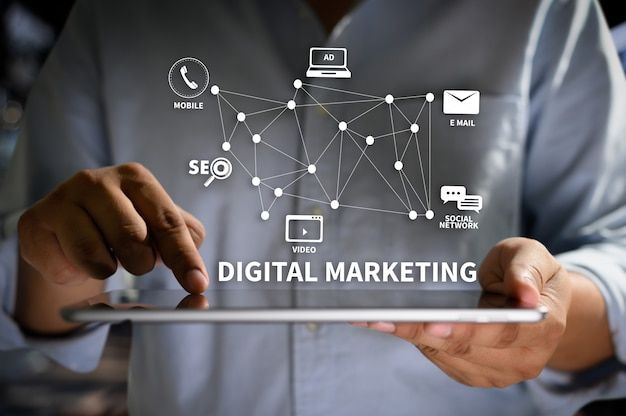
Digital marketing refers to the use of digital platforms and online channels to promote a business, product or service.
This can include:
- Social media marketing
- Search engine optimization (SEO)
- Online advertising
- Content marketing
- Email marketing
- Search engine marketing
- Website marketing
Different businesses may used different combinations depending on their goals and target audience.
For example, a restaurant may focus heavily on social media and local search, while a B2B company may rely more on LinkedIn, SEO and content marketing,
The goal isn’t to be everywhere. The goal is to be where your customer are.
Why Isn’t Simply Posting on Social Media Enough?
One of the most common misconceptions about digital marketing is that posting regularly means you’re already doing digital marketing.
Posting is only one part of the process.
Imagine spending hours creating a beautiful social media post, only for it to reach small portion of your followers. You may have created great content, but what if the right audience never sees it, the content cannot do much for your business.
Digital marketing involves much more than creating content. It requires understanding your audience, choosing the right platforms, creating relevant content, monitoring performance and adjusting your strategy based on what works.
In other words:
Don’t just ask, “What should we post?” Ask, “Who are we trying to reach, and what do we want them to do?”
The Customer Journey Doesn’t Start With a Purchase
Customers rarely see a business online for the first time and immediately make a purchase. Usually, there is a journey.
They might first discover your business through a social media post. Then they may visit your website.
After that, they might check your reviews, compare your services with competitors and look through your previous work.
Only when they feel confident may they finally contact you or make a purchase. Digital marketing helps business stay visible throughout this journey.
A social media post might create awareness. SEO can help customers discovers your website. Useful content can build trust. A well-designed website can provide information and encourage the customer to take action.
Each part plays a different role.
1. Reach the Right Audience
Having thousands of followers doesn’t necessarily mean you have thousands of potential customers.
A business could have a large audience but still struggle to generate enquiries if those followers aren’t interested in its products or services.
Effective digital marketing focuses on reaching people who are actually relevant to the business.
This means understanding:
- Who your customers are
- What they need
- What problems they are trying to solve
- Where they spend their time online
- What influences their purchasing decisions.
When you understand your audiences, it becomes easier to create content and campaigns that actually speak to them.
2. Turn Attention Into Interest
Getting someone’s attention is only the beginning.
Once a potential customer discovers your business, you need to give them a reasons to stay interested.
Educational content, useful information, customer testimonials, videos, case studies and clear explanation of your services can help potential customers understand what your business offers.
Instead of constantly saying “Buy from us,” businesses can provide information that helps customers make better decisions.
This approach can build familiarity` and trust over time.
3. Make It Easy for Customers to Take Action
Imagine a potential customer sees your advertisement and become interested in you services.
They click on your profile but can’t find your website. They eventually find your website, but there is no clear information about how to contact you. They want to ask a question, but there is no enquiry form or contact button.
At this point, you may have already lost a potential customer.
Whether the goal is to:
- Visits your website
- Send an enquiry
- Request a quotation
- Make a booking
- Call your business
- Purchase a product
The process should be simple and easy to understand.
4. Know What Is Actually Working
One of the biggest advantages of digital marketing is that businesses can measure their results
Instead of simply guessing whether a campaign worked, businesses can look at data such as
- Website traffic
- Post engagement
- Advertisement performance
- Click-through rates
- Conversations
- Audience behaviour
This information can help businesses understand what their audience responds to and where improvement are needed.
For example, if one type of content consistently generates more enquires than another, the business can use that information to improve future campaigns.
Digital marketing is not about something once and hoping it works.
It is about learning, improving and adapting.
Digital Marketing Is Not a One-Time Campaign
Another common mistake is treating digital marketing as something a business does only when it wants to promote a product or lunch a campaign.
In reality, building an online an online presence takes time.
Customers need to see your brand more than once, Search engines need time to recognize and rank content. Social media audiences need consistent engagement. Advertising campaigns need to be tested and optimized.
This is why digital marketing works best as an ongoing strategy rather than a one-time activity.
This businesses that visible, understanding their audience and continuously improve their approach are better positioned to build long-term digital growth.
So, What Does a Good Digital Marketing Strategy Look Like?
There isn’t one strategy that works for every business.
A good strategy starts with understanding the business itself.
What are your goals?
Who are your customers?
What makes your business different?
Which platforms do your customers use?
What type of content do they find useful?
Once these questions are answered, businesses can choose the right digital marketing channels instead of trying to do everything at once.
For some businesses, SEO may be a priority. For others, social media management or online advertising may produce better results.
The key is having a strategy that connects all these activities to a clear business goal.
How Apploqic Can Help
Building a strong online presence takes more than simply being active on social media.
At Apploqic, we help businesses strengthen their digital presence through digital marketing strategies designed around their goals and target audience. Our services include social media management, digital marketing campaigns and SEO-focused strategies to help businesses improve their online visibility and connect with potential customers.
From planning and content creation to campaign management and performance tracking, we help businesses make better use of digital platforms instead of simply posting and hoping for results.
Whether you’re looking to increase brand awareness, reach a new audience or generate more business enquiries, the right digital marketing strategy can help turn your online presence into a valuable business asset.
Conclusion
Your business may already be online, but the real question is whether your online presence is helping you reach the people who matter.
Digital marketing is not simply about posting more content or running more advertisements. It is about understanding your audience, reaching them through the right channels, providing useful information and making it easier for them to take the next step.
Being online gets you on the map. The right digital marketing strategy helps people find you.